
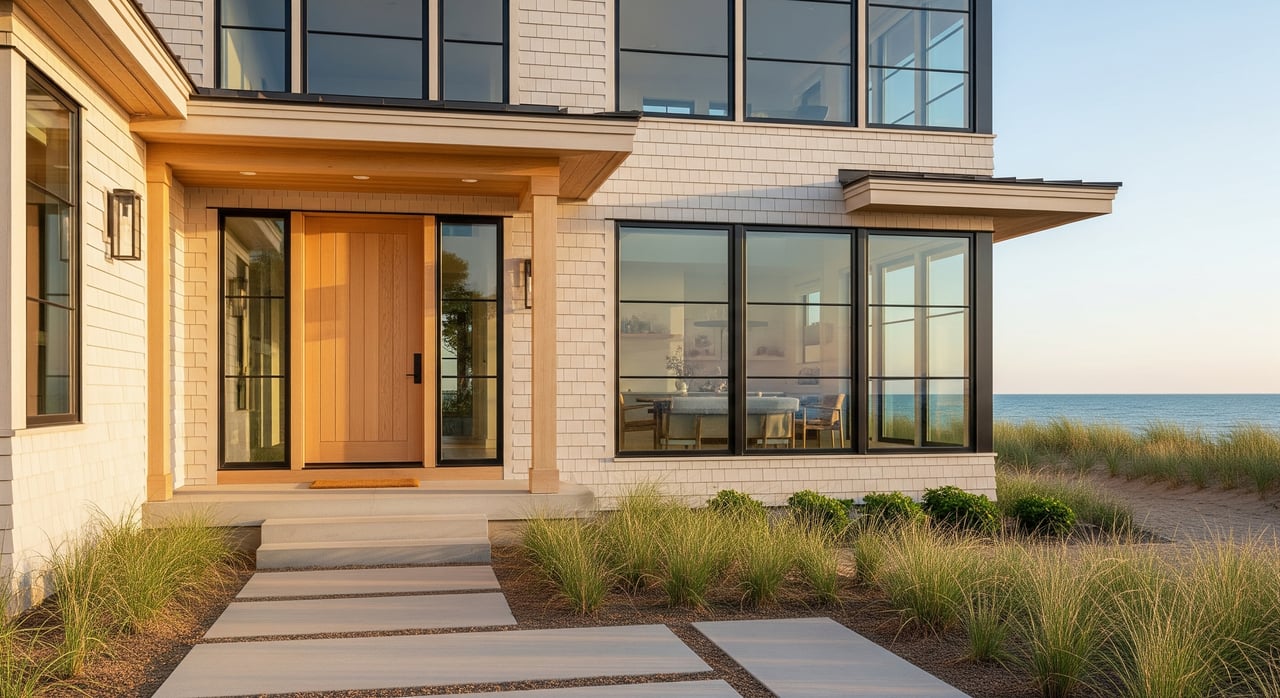
You see “turnkey” in a West Olive listing and picture dropping your bags, opening the door, and relaxing by Lake Michigan. That is the goal—but the word itself is marketing, not a guarantee. If you want a smooth move, you need clarity on what is included, what to verify, and how West Olive’s lakeshore climate and utilities shape a truly move-in-ready home. In this guide, you will learn what “turnkey” really means here, how to protect yourself, and how to position a property to meet buyer expectations. Let’s dive in.
What “turnkey” really means
“Turnkey” signals that you can move in with minimal work. It is not a legal standard and it varies by listing and negotiation. Most sellers use it to convey clean interiors, functioning basic systems, and ready-to-use kitchens.
What it usually includes
- Clean, updated interiors with fresh paint and intact flooring.
- Working major systems, such as heating, electrical service, plumbing, and a water heater.
- Operational kitchen appliances and basic window coverings.
- Addressed safety items, like smoke and carbon monoxide detectors.
What it usually does not include
- Promises about the lifespan of roofs, furnaces, or other mechanicals unless written in the contract.
- Warranties or guarantees beyond those explicitly transferred or stated.
- Assumptions about utilities, permits, or seasonal use—unless clearly disclosed.
West Olive factors that shape “turnkey”
West Olive sits in a Lake Michigan climate zone with cold winters and freeze-thaw cycles. That adds stress to roofs, foundations, and mechanicals. A turnkey claim should stand up to local conditions, not just cosmetics.
Climate and moisture
- Heating, insulation, and windows should perform well in winter.
- Sump pumps, gutters, and grading matter due to snowmelt and heavy rain.
- Waterfront or low areas can face higher moisture and basement risks.
Proximity to water and flood risk
- Properties near Lake Michigan, rivers, or wetlands may need flood checks. Review the property’s flood status using the FEMA Map Service Center.
- Seasonal shoreline conditions can affect access, docks, and maintenance expectations.
Wells, septic, and municipal services
- Parts of Olive Township run on private wells and septic instead of municipal systems. Verify system type and condition with guidance from Michigan EGLE.
- These systems carry significant cost if repairs are needed, so a “turnkey” label should address their status.
Property age and renovations
- Older cottages and farmhouses may have legacy items like older wiring, plumbing, or lead paint. A fresh interior does not equal updated mechanicals.
- Confirm permitting for recent work through Ottawa County and Olive Township records.
Buyer checklist for a “turnkey” listing
Set expectations early and verify. Your goal is a home that lives as well as it looks.
Get it in writing
- Ask the seller or listing agent to define “turnkey” in writing. Include appliances, window treatments, HVAC servicing, warranty transfers, and any outdoor items like docks or lawn equipment.
- Request receipts, service records, permits, and warranties for recent work such as roof, furnace, A/C, water heater, well, or septic.
- Clarify all included and excluded personal property.
Order the right inspections
- Schedule a general home inspection by a qualified professional. The American Society of Home Inspectors outlines standard practices and can help you understand scope.
- If the home has a private septic or well, plan a septic inspection and well testing for bacteria and nitrates. EGLE’s guidance at Michigan EGLE explains why these systems matter.
- Test for radon for at least 48 to 72 hours. The U.S. EPA’s radon resources show why testing is recommended in Michigan.
- Consider pest, chimney, and moisture evaluations when relevant to age, location, or home features.
Verify disclosures and records
- Review the Michigan Seller’s Disclosure carefully. The Michigan REALTORS site offers statewide disclosure guidance.
- Confirm recent permits and final inspections through local offices and Ottawa County property resources.
- Check flood status with the FEMA Map Service Center and request a property boundary survey if lot lines or water rights are unclear.
Plan financing and insurance early
- Lenders and insurers may have additional requirements for older systems, private wells/septic, or flood-prone areas.
- FHA/VA loans have condition standards; certain items may need correction before closing.
- Contact insurers early for lakeshore properties so you understand coverage, wind, and flood factors.
Seller playbook to market a home as “turnkey”
If you plan to use “turnkey” in your listing, reduce ambiguity and build buyer trust upfront.
Be specific—and honest
- Provide a written inventory of what your turnkey claim includes and note what is excluded.
- Share receipts, service records, warranties, and permit history for mechanicals and recent updates.
- Complete the required Michigan disclosure form accurately.
Focus on what buyers expect
- Service and document major systems: furnace, A/C, water heater, electrical, and plumbing.
- Resolve safety items and obvious moisture concerns, including gutters and drainage.
- For waterfront or seasonal homes, note winterization, dock permissions, and access details.
Consider a pre-listing inspection
- A pre-sale inspection helps you fix issues before going to market and gives buyers confidence.
- Offer the report to qualified buyers to speed negotiations and reduce surprises.
How West Olive buyers and sellers can stay aligned
“Turnkey” should mean convenience. In West Olive, that also means the home stands up to lake-effect weather, has clear utility status, and meets basic safety and function standards. Buyers should verify with targeted inspections and written inclusions. Sellers should document systems and disclose seasonal caveats.
If you want true move-in ease—whether for a full-time residence, lakeshore second home, or rental investment—align expectations early, put it in writing, and verify with local records and inspections. Practical steps today prevent costly disputes tomorrow. For additional context and trusted how-to guides on wells, septic, and radon in Michigan, visit MSU Extension.
Ready to simplify your next move or sale in West Olive? For design-forward prep, premium marketing, and concierge guidance that make a home feel truly turnkey, connect with Tammy Kerr.
Quick-reference checklists
For buyers
- Get the seller’s turnkey definition in writing before you offer.
- Order a full home inspection, plus septic, well, and radon tests when applicable.
- Review the seller’s disclosure and confirm permits through Ottawa County property search.
- Check flood maps via the FEMA Map Service Center and get insurance quotes early.
- Confirm included personal property and any seasonal responsibilities.
For sellers
- Provide a written list of what “turnkey” includes, plus receipts and warranties.
- Consider a pre-listing inspection and address safety and major system items.
- Disclose known defects per Michigan rules; confirm permits for recent work.
- Clarify seasonal or waterfront caveats like winterization or dock approvals.
FAQs
What does “turnkey” include in a West Olive listing?
- Typically clean interiors, functioning major systems, working appliances, and basic safety items, but not long-term guarantees unless stated in writing.
Do I still need a radon test for a turnkey home in Ottawa County?
- Yes. Michigan has areas of elevated radon, and the U.S. EPA recommends testing for at least 48 to 72 hours.
How do wells and septic systems affect turnkey status in Olive Township?
- If a home uses a private well or septic, inspections and water testing are essential and should be part of any turnkey claim; see guidance from Michigan EGLE.
How can I confirm flood risk for a lakeshore or near-water property?
- Review the address on the FEMA Map Service Center and discuss coverage and lender requirements with an insurer early.
What should a seller provide to support a turnkey claim?
- A written inclusions list, permits and receipts for recent work, service records for mechanicals, and a complete Michigan Seller’s Disclosure, plus any seasonal notes for waterfront homes.