
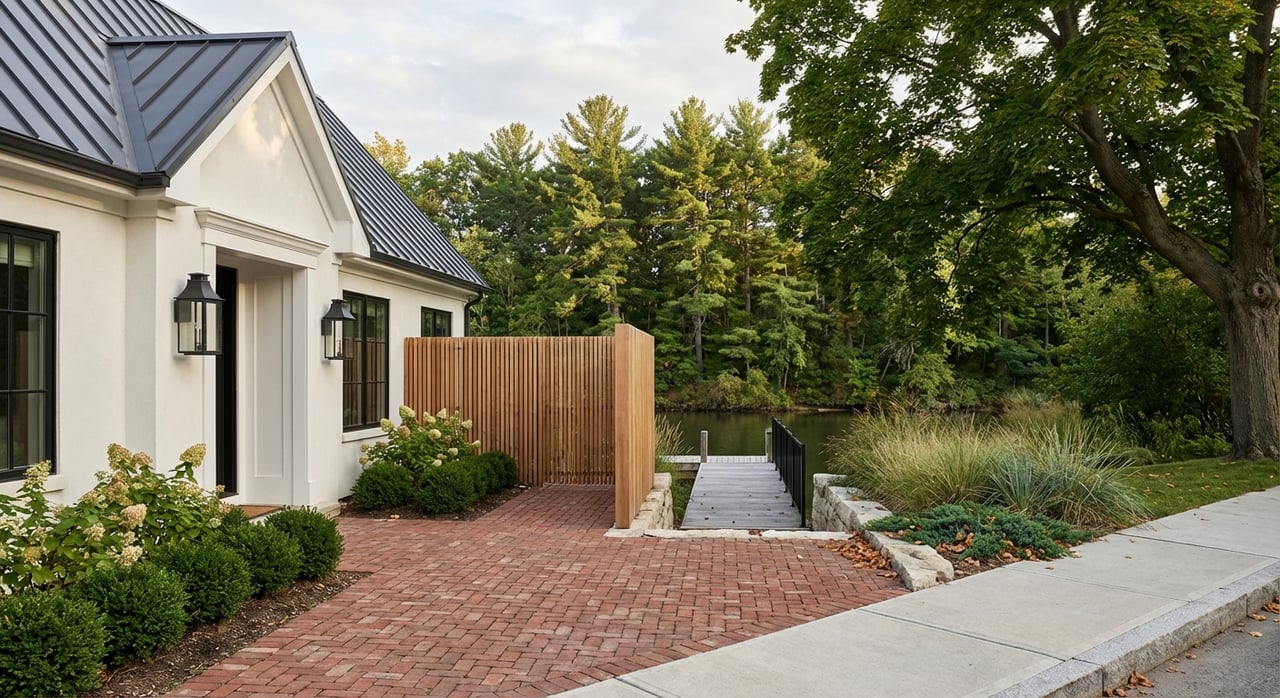
Are you picturing coffee on 8th Street one day and a sunset cruise on Lake Macatawa the next? Choosing between Holland’s in-town convenience and the lakeshore lifestyle is a good problem to have, yet it comes with real tradeoffs. You want the right fit for daily life, budget, rules, and long-term value. This guide lays out what each option offers, the costs and regulations to expect, and a simple checklist to help you decide with confidence. Let’s dive in.
What waterfront living offers
Waterfront living in Holland centers on Lake Michigan and Lake Macatawa. You get direct access to beaches, boating, and a laid-back resort feel. Public assets like Holland State Park put sand, dunes, and trails within easy reach. Neighborhoods along Lake Macatawa and the channel often feature private docks and marinas, while Lake Michigan frontage is rarer and reads as more seasonal or association-driven in places.
Expect more visitors in peak season. Summer weekends and Tulip Time bring heavier traffic and higher parking demand around beaches and parks. Holland State Park sees strong seasonal use, so plan for extra time on warm weekends and holidays.
Housing options range from historic cottages to modern estates and a limited number of association or condo communities. Inventory is tight and tends to carry a premium when lake access or docks are included. If boating, private beach time, and sunset views top your list, waterfront living delivers.
Daily life and access
You are still close to town. Holland’s average commute time sits around 17 minutes citywide, and most waterfront neighborhoods are within a 10 to 20 minute drive to downtown employers and Hope College events, depending on the exact pocket. The city’s size and layout keep most daily needs reasonably close by, which the U.S. Census QuickFacts helps confirm with short mean travel times.
Costs and upkeep to plan for
Waterfront homes face more exposure to wind and water. That often means higher insurance premiums and stricter underwriting, especially where flood risk or older roofs come into play. Review wind coverage details and deductibles with a local agent familiar with Great Lakes properties, and use resources like The Zebra’s windstorm coverage overview to understand common policy terms.
Standard homeowners insurance does not cover flood damage. If the property sits in a FEMA Special Flood Hazard Area, your lender will require flood insurance. Even if it does not, a policy can be a smart safeguard. Check FEMA’s parcel-level tools at the Flood Map Service Center and get quotes early in your process.
Shoreline work is regulated. In Michigan, dune and shoreline protections can limit or shape what you can do with seawalls, revetments, or living-shoreline solutions. Local rules vary by municipality. Start with state-level guidance compiled by Michigan Sea Grant on coastal shoreline ordinances and then confirm exact rules with the relevant city or township.
Finally, factor in docks, lifts, and exterior maintenance. These line items can be meaningful in your annual budget. Some condo and association communities bundle landscaping, snow removal, and path or dock care into dues. For detached parcels, private maintenance is your responsibility. To estimate taxes, assessments, or HOA details for a specific address, review the seller’s disclosures and confirm records through the Ottawa County property portal.
What in-town living offers
If you value walkability and year-round convenience, living near downtown Holland is hard to beat. The 8th Street corridor offers shopping, restaurants, breweries, theaters, and a seasonal farmers market. Downtown sidewalks use a snow-melt system, which keeps the core comfortable and accessible through winter. Explore the vibe and amenities with the Downtown Holland guide.
Nearby neighborhoods include a mix of historic homes, bungalows, mid-century builds, and condos above storefronts or in newer infill projects. Many addresses sit within an easy walk or bike ride of Hope College events and the Padnos Transportation Center.
Tradeoffs are practical. Lots are often smaller, outdoor space is more compact, and some locations can experience more street noise or tighter parking. On the flip side, daily errands often happen on foot, which can reduce driving and car ownership costs.
Commute and convenience
Most downtown locations place you within minutes of dining, entertainment, parks, and many local employers. The city’s short average commute time and compact core make in-town living efficient for weekday routines and winter months alike. If you want minimal car time and easy access to culture, this is a strong match.
Market snapshot and pricing dynamics
Across the city, typical home values sit in the low to mid $300s according to several market trackers, but neighborhood differences matter. Waterfront properties are limited and sell at a notable premium when available, with a wide spread that can run from modest cottages to multi-million-dollar estates in peak locations. Downtown pricing spans from more affordable older homes and rentals to luxury condos near the core.
Liquidity varies. In-town homes, especially under about $500,000, often see faster turnover because they appeal to a broad base of buyers. Waterfront properties come to market less often and can take longer to sell outside of strong cycles, though well-priced listings can attract intense interest. For valuations on the water, thin comparables make local expertise important.
Rules that can shape your choice
Short-term rental basics
Rules differ by jurisdiction, so confirm the address and governing body first. In the City of Holland, owner-occupied short-term rentals are broadly allowed, while non-owner-occupied rentals are limited to certain commercial or mixed-use zones or a capped program in residential zones. The city issues certificates and requires inspections. See current details in the city’s Rental Certification and Licensing Guide.
In Park Township, which includes many Lake Michigan and Lake Macatawa parcels, a 2022 ban on short-term rentals triggered legal challenges and ongoing debate. Because the status has been fluid, buyers planning rental income should verify the latest ordinance and any pending litigation. Local coverage summarizes the issue in this Crain’s Grand Rapids Business report.
Practical takeaway: make STR allowance a written contingency if rental income is part of your purchase plan, and confirm permit availability before closing.
Flood, wind, and shoreline rules
- Flood insurance is separate from standard homeowners policies. Check parcel-level risk and mapping at FEMA’s Flood Map Service Center.
- Shoreline and dune work often needs permits and may be limited or conditioned. Start with Michigan Sea Grant’s coastal ordinance overview and consult the applicable municipality.
- Wind exposure can affect premiums and deductibles. Review policy terms with your insurer and learn common coverage features from The Zebra’s windstorm guide.
Choosing between waterfront and in-town
Use this simple checklist to clarify your priorities:
Lifestyle priorities
- If private beach time, boating, and sunset views are must-haves, focus on Lake Macatawa or Lake Michigan waterfront. Plan for a price premium, seasonal crowds near public access, and added maintenance.
- If walkability, restaurants, and year-round cultural access come first, focus on downtown and nearby historic neighborhoods.
Commute and access
- Most addresses are within a 10 to 20 minute drive of downtown. The city’s mean commute is about 17 minutes, so differences come down to your exact route and daily routine.
Budget and liquidity
- Waterfront inventory is low and prices vary widely. Downtown offers a broader range and often faster resale in the mid-market.
Rental plans
- Confirm the city or township. In Holland, investor STRs are limited or capped in neighborhoods, while owner-occupied STRs are broadly allowed. Park Township has pursued restrictions and litigation. Get written confirmation from the municipality before you close.
Risk and inspection
- Waterfront: order elevation and foundation checks, review dock and seawall condition, pull FEMA maps, and request insurance quotes early.
- In-town: review parking rules, any HOA or condo bylaws, and complete a full home inspection for structure and systems.
Schools and mapping
- School district boundaries vary by address. Use county parcel records and district maps to verify which district serves a property before you make an offer. The West Ottawa district map and the Ottawa County property portal are good starting points.
Notable Holland pockets
- Lake Macatawa and the channel: South Shore Drive, Waukazoo, and Macatawa Park blend established homes with boating access to Lake Michigan and, in many cases, private docks.
- Park Township and the Lake Michigan shore: Ottawa Beach and Castle Park offer dune settings, association neighborhoods, and a legacy of seasonal cottages alongside updated homes.
- Downtown, Historic District, and 8th Street: a compact, walkable core with shops, dining, heated sidewalks, and proximity to Hope College. Start with the Downtown Holland overview to get a feel for the year-round scene.
Design and ROI tips from a waterfront specialist
Whether you lean lakeshore or in-town, small choices can create big value:
- Right-size your maintenance plan. Waterfront owners should budget annually for exterior finishes, dock or lift service, and storm-readiness. Downtown owners can focus on curb appeal, mechanical updates, and energy efficiency.
- Choose resilient materials. On the lakeshore, favor durable siding, corrosion-resistant hardware, and floor finishes that handle humidity. In town, prioritize noise control, storage, and lighting for compact lots or condo living.
- Plan ahead for guests. If you expect seasonal hosting or STR use, match layouts, bath counts, and parking to your goals. Confirm rules first, then design for easy turnover and low-wear surfaces.
- Stage for your buyer. Lakeshore buyers respond to indoor-outdoor flow and water sightlines. Downtown buyers respond to walk-in convenience, low maintenance, and polished finishes.
A design-led plan can improve marketability, shorten days on market, and support stronger pricing when you sell.
Ready to explore your best fit?
If you are weighing dock life against downtown mornings, you deserve a clear plan for lifestyle, cost, and long-term value. Work with a design-forward broker who knows both the shoreline and the city core. Tammy Kerr pairs engineering rigor with award-winning design to help you compare neighborhoods, verify rules, model ownership costs, and buy with confidence. Schedule a personalized consultation.
FAQs
How far is downtown Holland from the beach?
- Holland State Park and the channel sit roughly 3 to 6 miles west of downtown, depending on the route. Plan for longer drive times on peak summer weekends.
What insurance should I consider for a waterfront home in Holland?
- Standard homeowners policies exclude flood. Check FEMA maps and get flood quotes early, and review wind coverage and deductibles with your insurer. Start with FEMA’s Flood Map Service Center and The Zebra’s windstorm guide.
Are short-term rentals allowed in Holland and Park Township?
- In the City of Holland, owner-occupied STRs are broadly allowed, while investor STRs are limited or capped by zone. See the city’s rental certification guide. Park Township has pursued restrictions that led to litigation, summarized in Crain’s coverage. Always verify the current ordinance before you buy.
What inspections are unique to waterfront purchases?
- Order elevation and foundation checks, review any seawall or revetment, inspect docks or lifts, and confirm shoreline permits or limitations. Get flood and wind insurance quotes before your inspection window closes.
Which school district serves a given Holland address?
- Boundaries vary by location. Confirm with the county parcel records and district tools. Start with the West Ottawa district map and the Ottawa County property portal.
How does resale differ between waterfront and in-town homes?
- In-town homes often see faster turnover in the mid-market due to broader buyer demand. Waterfront properties are scarce and can command premiums, but comps are thin and marketing timelines can vary. A local, waterfront-experienced broker can help set a precise strategy.