
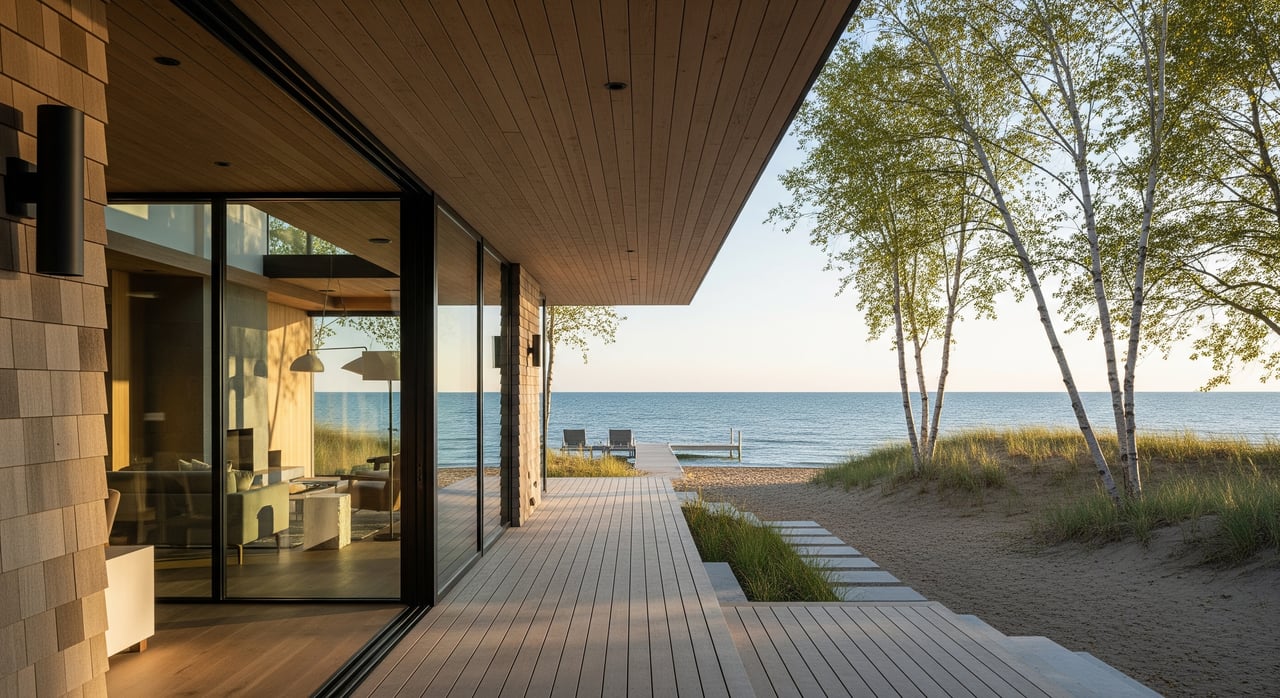
You bought your Douglas lakefront home for the view, and so will your next buyer. The right design moves make the water the hero while keeping maintenance low and comfort high through every season. If you are planning to sell soon, you may be asking which updates actually move the needle in our market. This guide breaks down what today’s Douglas buyers look for, where to invest, and how to prepare with confidence. Let’s dive in.
What Douglas buyers want now
Douglas and neighboring Saugatuck draw year-round attention for art, dining, and the Great Lakes lifestyle. Many lakefront buyers here are looking for turnkey, low-maintenance living with strong outdoor amenities. Others prioritize year-round comfort, accessibility, and smart storage for gear. Investors and vacation-home owners often focus on curb appeal, durable finishes, and easy-care outdoor spaces.
In this market, views, private water access, and well-designed outdoor living carry a premium. Seasonal demand peaks in warmer months, so timing and photography matter. Given Great Lakes winters and freeze-thaw cycles, buyers also expect durable materials, good insulation, and sensible winterization.
High-impact design trends that sell
Maximize sightlines and glazing
Unobstructed water views are the number one feature buyers remember. Large windows and wide sliders that orient living, dining, and kitchen spaces toward the lake make a strong first impression. Choose thermally efficient, low-maintenance windows suited to cold and wind, such as double or low-E glass with fiberglass or vinyl frames. Add window treatments or exterior shading that control glare and privacy without blocking the view.
Seamless indoor-outdoor living
Covered porches, deep decks, and screened rooms extend your living season into spring and fall. Outdoor kitchens, integrated seating, a fire pit, and weatherproof lighting create zones for gathering and entertaining. For decking, composite or properly sealed tropical hardwoods perform better than untreated softwoods in lakeside conditions.
Durable, low-maintenance materials
Water, wind, and salt air call for resilient exteriors. Fiber-cement siding, marine-grade stainless hardware, composite decking, stone or porcelain pavers, and corrosion-resistant railings reduce upkeep and show well over time. Inside, tile or waterproof luxury vinyl plank at entries and mudrooms stands up to sandy feet and damp gear.
Practical entries and storage
A dedicated mudroom or entry with bench seating, hooks, and closed storage signals “lake-ready” living. Space for boots, life jackets, paddles, and fishing gear makes everyday use easier. A laundry near bedrooms and secure storage for boats or kayaks boosts appeal for both year-round owners and renters.
Kitchens and baths that work at the lake
Updated kitchens with quartz countertops, efficient appliances, and an open layout that supports gatherings feel current and durable. In bathrooms, walk-in showers, heated floors, and water-resistant finishes are attractive, especially in homes used across all seasons. Keep palettes neutral and natural with subtle coastal accents so buyers focus on light and views.
Flexible spaces and accessibility
Open main levels with guest-friendly sleeping options are a plus for vacation groups and families. Consider a convertible den, bunk room, or loft to flex with changing needs. A main-level bedroom suite or simple accessibility features widen your buyer pool without limiting style.
Comfort, efficiency, and sustainability
Energy-minded upgrades reduce operating costs and improve comfort. High-efficiency furnaces or cold-climate heat pumps, upgraded insulation, and ENERGY STAR windows all resonate with today’s buyers. Whole-home dehumidification and balanced ventilation help prevent humidity and protect finishes in a lakeside setting. Solar panels and EV chargers are increasingly marketable when placement respects views and neighborhood aesthetics.
Elevate style the right way
Coastal-modern styling beats nautical kitsch. Use natural materials, textured neutrals, and layered lighting to create a calm, airy backdrop that frames the water. Keep decor simple and avoid heavy themes so buyers can imagine their own version of lake life.
Waterfront must-haves outside
Where permitted, private docks, boat lifts, and safe shoreline steps are top priorities for boating buyers. Beach-friendly landscaping with native grasses supports erosion control and easy upkeep. In some cases, a small boathouse or covered slip adds value, but always verify local permitting first.
Local rules, risk, and resilience
Flood and shoreline realities
Lakefront properties can face shoreline erosion, bluff instability, and fluctuating water levels. Some parcels may be in designated flood zones, which affects insurance and financing. Be ready to disclose flood status, past flooding, and any shoreline work. Shoreline hardening or dune alteration often requires permits and can be costly, while naturalized erosion controls are commonly recommended.
Permits and short-term rental rules
Docks, piers, boathouses, shoreline modifications, and new construction typically require approvals at the municipal and county level, and sometimes the state. Short-term rental rules vary by community, and policies may change. If you plan upgrades or STR operations, verify current ordinances and permit requirements with the City of Douglas, Allegan County building and zoning, and relevant Michigan environmental offices before you start.
Insurance and utilities
Waterfront homes may carry higher premiums due to exposure and high-end finishes. Flood insurance could be required by a lender depending on your zone and elevation. Have documentation ready for utilities and septic or well systems. Many buyers will ask for reports and may require upgrades on older systems.
Winterization and maintenance
Year-round buyers look for solid insulation, passive solar orientation where possible, and simple protections like pipe heat, snow load-rated roofs, and protected mechanicals. Corrosion-resistant exterior hardware and a clear maintenance plan help buyers feel confident. Backup power options are another practical selling point.
Disclosure and due diligence
Michigan requires a Seller’s Disclosure Statement. Include known issues related to shoreline, flood history, septic or well details, and prior repairs. Pre-listing inspections for roof, mechanicals, structure, and septic or well can surface issues early, support pricing, and reduce renegotiation risk.
Smart spend: upgrades with ROI in Douglas
Best bets for return
- Maximize view capture by reconfiguring or clearing sightlines and upgrading to efficient glazing.
- Enhance outdoor living with refreshed decks, covered porches, or screened rooms and add seating and lighting.
- Create a practical mudroom and storage areas that make lake life easy.
- Repair or replace docks and improve shoreline access where allowed.
- Refresh kitchens and baths with durable, neutral finishes rather than full gut remodels.
High-value, lower-cost fixes
- Deep clean, declutter, neutralize bold walls, and stage to highlight the water.
- Landscape from curb to shore to open key view corridors while keeping privacy. Use native plants to reduce maintenance and support stability.
- Update lighting, cabinet hardware, and worn flooring in high-traffic areas.
- Install durable entry flooring plus benches and hooks to set a practical tone.
What to avoid unless essential
- Major shoreline hardening, boathouses, or regrading without clear permits and approvals.
- Overly themed nautical decor that narrows appeal.
Marketing that makes the water the hero
Lead with the view in your first listing images. Include a wide interior shot that frames the lake beyond. When allowed, aerial photography can be decisive for waterfront buyers because it shows the shoreline, approach, and context. Capture outdoor spaces at golden hour for warmth, and add daytime images of beach or shore access. Inside, remove heavy window treatments, let in light, and stage with neutral pieces to keep sightlines clear.
Pricing and positioning for lakefront
Price to reflect unique waterfront attributes such as private dock rights, unobstructed view corridors, and direct beach access. Be ready to highlight practical value like flood mitigation measures, recent roof or windows, HVAC upgrades, and documented permits and maintenance. Tailor your marketing to likely buyer segments: turnkey, high-amenity homes perform well with seasonal vacation-home shoppers, while efficient, comfortable designs resonate with local and regional year-round buyers.
Douglas lakefront seller checklist
- Verify flood zone status and obtain any elevation certifications you have.
- Gather permits for docks, shoreline work, additions, and recent septic or well reports.
- Complete essential maintenance: roof, gutters, foundation drainage, HVAC service, and window seals.
- Upgrade or document the condition of dock and shore access and any erosion controls.
- Order pre-listing inspections and address safety or major mechanical items.
- Neutralize, declutter, and stage; optimize sightlines to the water.
- Commission high-quality interior, exterior, and aerial photography with optimal timing.
- Confirm current short-term rental rules and prepare any rental history or restrictions for buyers.
- Create a one-page summary of improvements and maintenance.
Ready to sell with a design-led strategy?
If you want to unlock maximum value on the Douglas shoreline, a targeted plan matters. A design-forward broker can help you balance aesthetics and durability, coordinate vendors, and stage for the lifestyle buyers want. From renovation guidance and premium marketing to property management and vacation rental oversight, you can streamline the work and elevate your result. To build a tailored plan for your home, schedule a personalized consultation with Tammy Kerr.
FAQs
What design updates add the most value to a Douglas lakefront home?
- Focus on view-first design, efficient window upgrades, expanded outdoor living, practical mudroom and storage, shoreline access where permitted, and cosmetic kitchen and bath refreshes with durable, neutral finishes.
Do I need permits for dock or shoreline work in Douglas?
- In most cases yes. Docks, piers, boathouses, and shoreline modifications typically require approvals from the City of Douglas, Allegan County building and zoning, and sometimes state environmental agencies. Verify rules before starting any work.
How should I prepare for flood and erosion questions from buyers?
- Confirm flood zone status, disclose any history of flooding or shoreline projects, and provide related documentation. Be ready to discuss erosion controls and any maintenance or insurance requirements tied to your location.
What materials hold up best to Great Lakes weather?
- Fiber-cement siding, composite decking, marine-grade stainless hardware, stone or porcelain pavers, and corrosion-resistant railings outside, with tile or waterproof luxury vinyl plank at entries and mudrooms inside.
When is the best time to photograph and list a lakefront in Douglas?
- Many buyers tour in summer, so warm-season photography helps. Lead with view-forward images, add aerials when allowed, and capture outdoor spaces at golden hour to showcase lifestyle.
Can energy upgrades help sell my waterfront home?
- Yes. High-efficiency furnaces or heat pumps, upgraded insulation, ENERGY STAR windows, and whole-home dehumidification or balanced ventilation boost comfort and reduce operating costs. Solar and EV chargers can add appeal when sensitively sited.